
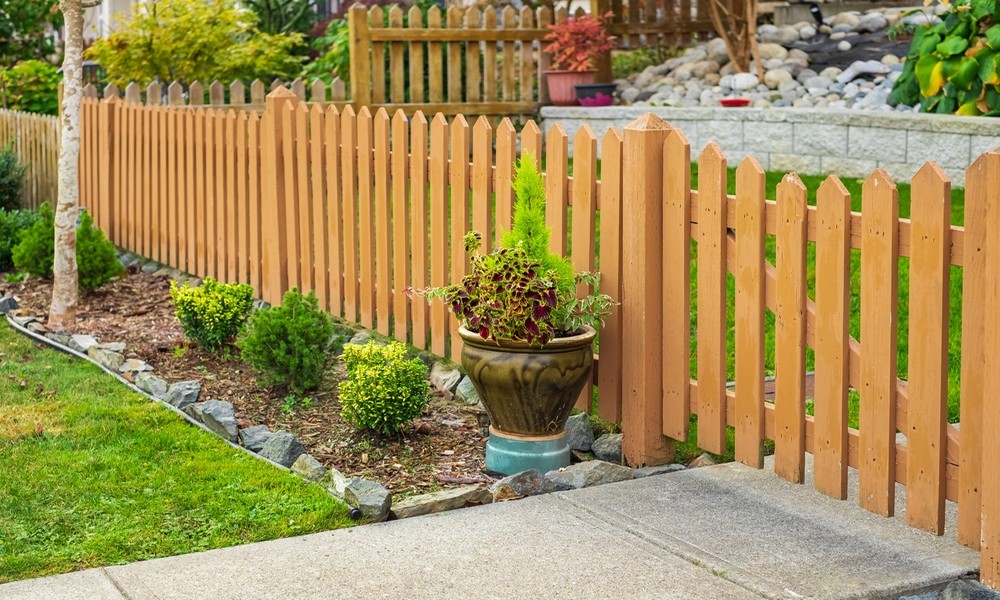
Moving home has a way of changing how you see things. A garden that looked fine on a viewing suddenly feels exposed once you start living in it. I see this all the time across York. Families settle in, unpack the boxes, spend their first few weekends outside, and then the questions start. How overlooked is the garden really. Why does the neighbour’s window feel closer than expected. Why do the kids feel on show when they play outside. That is why so many new homeowners end up searching for fencing companies near me within months of moving in. Many begin by looking at York Fencing to understand whether adjusting fence height is the right solution or whether something else is going on.
From decades working as a fencing contractor, I can say this rethink is not about trends. It is about lived experience. Fence height feels theoretical until you live with it day after day. Once families do, priorities change quickly.
Why fence height feels different after you move in
On a viewing, gardens are quiet. Neighbours are often at work. You stand for five minutes and imagine summer evenings.
Once you move in, reality shows up. Upstairs windows overlook more than you realised. People walk past more often. Sound carries differently. You notice angles you never considered.
Fence height suddenly becomes personal. It affects how comfortable you feel using your own space.
Many families realise the original fence height suited the previous owner, not their lifestyle.
Children change how families view boundaries
One thing I hear constantly on site is how children change everything. A low fence that felt open and friendly can feel inadequate once kids are running around.
Parents worry less about intruders and more about visibility. They want children to feel free to play without feeling watched. They want privacy without turning the garden into a box.
Fence height becomes about comfort rather than control.
This is especially common in new build estates where rear gardens back onto other properties at close range.
Pets are another trigger for rethinking height
Dogs, in particular, expose weaknesses in fence height. A fence that looks fine visually may not be high enough to feel secure.
Families often discover this within weeks of moving in. The dog tests the boundary. Gaps become obvious. Low points stand out.
While this has a safety aspect, it also feeds into privacy. Once you notice gaps and low sections, you start seeing the whole fence differently.
The rise of upstairs overlooking in modern housing
Modern housing design plays a big role in this shift. Homes are closer together. Upstairs windows often face directly into neighbouring gardens.
A six foot fence at ground level does not always block these sight lines. Families realise that fence height alone does not equal privacy.
This is why I often talk about sight lines rather than measurements. Where people look from matters more than how tall the fence is at one point.
Why taller is not always the answer
The instinctive reaction is to go higher. Taller fence, more privacy. In practice, it is rarely that simple.
Taller fences catch more wind. In York’s clay soil, this matters. Increased wind load puts more stress on posts. If posts are shallow or poorly installed, taller fences move more.
I usually install posts at around 600mm to 750mm depth, sometimes deeper in exposed areas. Older fences often do not have that foundation.
Going taller without upgrading the structure underneath often creates new problems.
How uneven ground creates false height
One thing I see often on local jobs is uneven ground making fences feel shorter than they are.
A fence might be six foot at one end and effectively five foot at the other because the ground rises. Families notice this once they live there, not on a viewing.
This creates overlooked spots that feel uncomfortable, even though the fence height on paper looks fine.
Adjusting height locally can make a big difference without changing the whole run.
Why seating position matters more than fence height
Families spend time sitting down. On patios. On grass. On outdoor furniture.
Privacy feels different when seated. A fence that blocks a standing view may do nothing when you sit.
I often suggest homeowners sit where they normally sit and look around. The sight lines become obvious immediately.
In many cases, a screen panel or stepped height solves the issue better than raising the entire fence.
Stepped fencing is becoming more popular
Rather than one uniform height, more families now choose stepped fencing.
Higher sections where privacy is needed. Lower sections where light and openness matter.
This approach works well in family gardens because it responds to how the space is used. It also reduces wind load compared to a fully tall run.
Stepped fencing is one of the biggest shifts I have seen in recent years.
How remote work has changed fence height expectations
Remote work has pushed fence height into everyday awareness. People take calls near the back of the house. They work in garden offices.
Feeling overlooked during the working day is draining. It affects concentration and comfort.
Families who did not care about fence height before now see it as essential. Not for security, but for daily quality of life.
Why original developer fencing often falls short
New build fences are often basic. They meet minimum requirements. They suit show homes.
Once families move in, those fences often feel too low, too flimsy, or too open. Posts are frequently shallow. Panels are lightweight.
I see many families replacing new build fencing within two years of moving in. Height is usually the first complaint.
The role of timber quality in perceived height
Timber quality affects how tall a fence feels over time. Cheap timber twists. Boards shrink. Gaps appear.
A fence that was private when new can feel see through after a couple of seasons.
Pressure treated timber holds its shape better. Composite boards do not shrink at all. This consistency maintains privacy without increasing height.
Composite fencing cost often comes up in these conversations, especially with families planning to stay put.
Why fence movement undermines privacy
Movement is the enemy of privacy. Posts that lean create sight lines. Panels that bow open gaps.
From years on site, I can say most privacy complaints come down to movement rather than design.
If the fence moves, height becomes irrelevant.
This is why structure matters more than panels alone.
When repairs can solve height related issues
Not every situation needs full replacement. Sometimes the issue is local.
A single leaning post. A dropped panel. A section installed lower than the rest.
In these cases, a repair can restore privacy quickly. Families often explore fence repairs to see whether targeted work makes sense.
If multiple posts are moving, repairs may only buy time.
How neighbours influence fence height decisions
Fence height decisions rarely happen in isolation. Neighbours have views. Opinions. Expectations.
Families often want a solution that improves privacy without causing tension. A sudden height increase can feel aggressive if not handled carefully.
Design choices like slatted sections, planting integration, or stepped heights can soften the impact while improving privacy.
The planning awareness factor
Families are also more aware of planning rules now. Height limits. Boundary rules. Neighbour considerations.
This awareness pushes people toward smarter design rather than simply going higher everywhere.
A well planned fence feels intentional rather than defensive.
Why fence height affects how children use the garden
Children behave differently when they feel observed. Parents notice this quickly.
A sense of enclosure encourages freer play. It reduces self consciousness.
This emotional side of privacy is rarely discussed, but it matters. Fence height plays a role in how safe and relaxed a garden feels to children.
How families future proof fence height choices
Families think ahead. Children grow. Needs change. Gardens get used differently.
Choosing a flexible approach to fence height allows adaptation later. Screen panels can be added. Sections can be raised.
Rigid one height solutions are harder to adjust.
The balance between light and privacy
Light matters. Tall solid fences can darken gardens, especially smaller ones.
Families often struggle to balance privacy with brightness. This is where thoughtful design makes a difference.
Slatted sections, spacing, and selective height increases preserve light while improving privacy.
Why height decisions should be made after moving in
The biggest lesson I see is this. Fence height decisions made after living in a property are usually better.
Once families understand how they use the garden, where they sit, and where they feel exposed, the solution becomes clearer.
Rushing height changes before settling in often leads to regret.
How local experience shapes better outcomes
Local knowledge matters. York gardens share common challenges. Clay soil. Close housing. Mixed exposure.
Contractors who understand these conditions help families avoid overbuilding or underbuilding.
This is why many families look specifically for fencing contractors near me rather than generic solutions.
Rethinking fence height is about comfort, not fear
In 2025, families are not chasing taller fences because they feel unsafe. They are doing it because they want to feel comfortable in their own space.
Privacy has become part of daily wellbeing. Fence height plays a quiet but important role in that.
Families exploring garden fencing increasingly approach it as a lifestyle decision rather than a security upgrade.
Why fence height conversations will keep growing
As homes get closer together and gardens get used more, fence height will stay under discussion.
From decades working across York, the pattern is clear. Families move in, live with the space, and then adjust the boundary to suit their real lives. When fence height is chosen with experience, structure, and design in mind, it stops being a problem and starts supporting how the garden is actually used.


